
When Culture Becomes Language (part 7): Facial Expressions

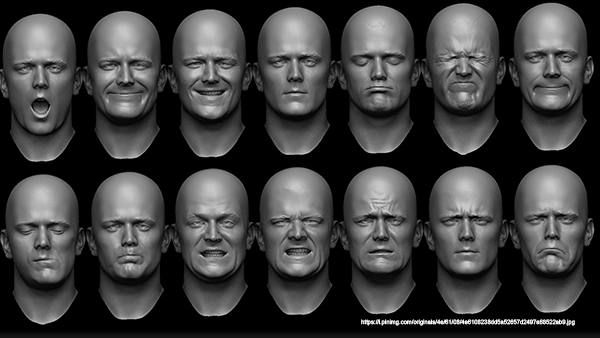
Before words are chosen, faces speak. Across cultures, facial expressions communicate emotion, intention, and relationship, often more honestly than speech ever could.
Some expressions feel universal. A smile can signal warmth. A furrowed brow can signal concern. Yet even these familiar cues are shaped by culture. In some societies, smiling freely is a sign of openness and friendliness. In others, restraint is valued, and expressions are more controlled, especially in public or formal settings. What appears distant in one culture may be respectful in another.
Eye movement, eyebrow position, and the intensity of expression all carry meaning. Prolonged eye contact may communicate confidence and honesty in some cultures, while in others it can signal challenge or disrespect. A neutral expression in one place may be read as seriousness. In another, it may be mistaken for disapproval. Faces do not just show emotion. They follow social rules.
Facial expressions also reflect cultural values around emotional display. Some cultures encourage expressive reactions, viewing emotion as a shared experience. Others prioritize emotional regulation, seeing restraint as maturity or strength. Neither approach lacks feeling. They simply speak different dialects of the same language.
The similarity across cultures is this. Faces are deeply tied to trust and connection. People look for cues of safety, sincerity, and understanding in one another’s expressions. When those cues are misread, misunderstanding follows. When they are understood, communication deepens.
Facial expressions are a quiet language, shaped by culture and context. Learning to read them with care is one of the simplest and most powerful ways to move toward genuine understanding.
---------
Blog Series Conclusion: Culture is always speaking. Through music, color, trust, clothing, art, food, and facial expressions people communicate who they are and how they wish to be understood. When we learn to listen beyond words, we move closer to one another.
Jordan Wells
All Shores Consulting
Staff Writer


Comments